Best Carpet Cleaning Methods for a Fresher Home
A carpet can look clean until the furniture is moved and a darker pathway appears beneath your feet. High-traffic areas quietly collect grit, pet hair, food crumbs and everyday moisture, leaving rooms looking tired even when they are regularly vacuumed. The best carpet cleaning methods address more than the surface, helping to restore a fresher, more hygienic and more elegant feel to the home.
There is no single method that suits every carpet, stain or household. A busy family hallway needs a different approach from a wool bedroom carpet, while a fresh tea spill should be treated differently from a lingering pet odour. Knowing what each method can realistically achieve helps protect your flooring and avoids turning a small mark into a permanent problem.
What Makes a Carpet Cleaning Method Effective?
The right cleaning approach should remove soil without over-wetting the carpet, damaging the fibres or leaving behind sticky residue that attracts more dirt. It should also be appropriate for the carpet material, pile type and the cause of the problem.
For routine care, regular vacuuming is still the foundation. It lifts dry soil before it works down into the pile, where it can dull colour and abrade fibres. Vacuum slowly in several directions, particularly around doorways, stairs, sofas and dining tables. In homes with pets or young children, this may need doing more than once a week.
Deep cleaning becomes worthwhile when a carpet has visible traffic marks, stale smells, stubborn staining or an overall dull appearance. The best results usually come from combining careful preparation, the correct cleaning solution and thorough drying rather than relying on one strong product.
The Best Carpet Cleaning Methods Explained
Hot water extraction for a deep, restorative clean
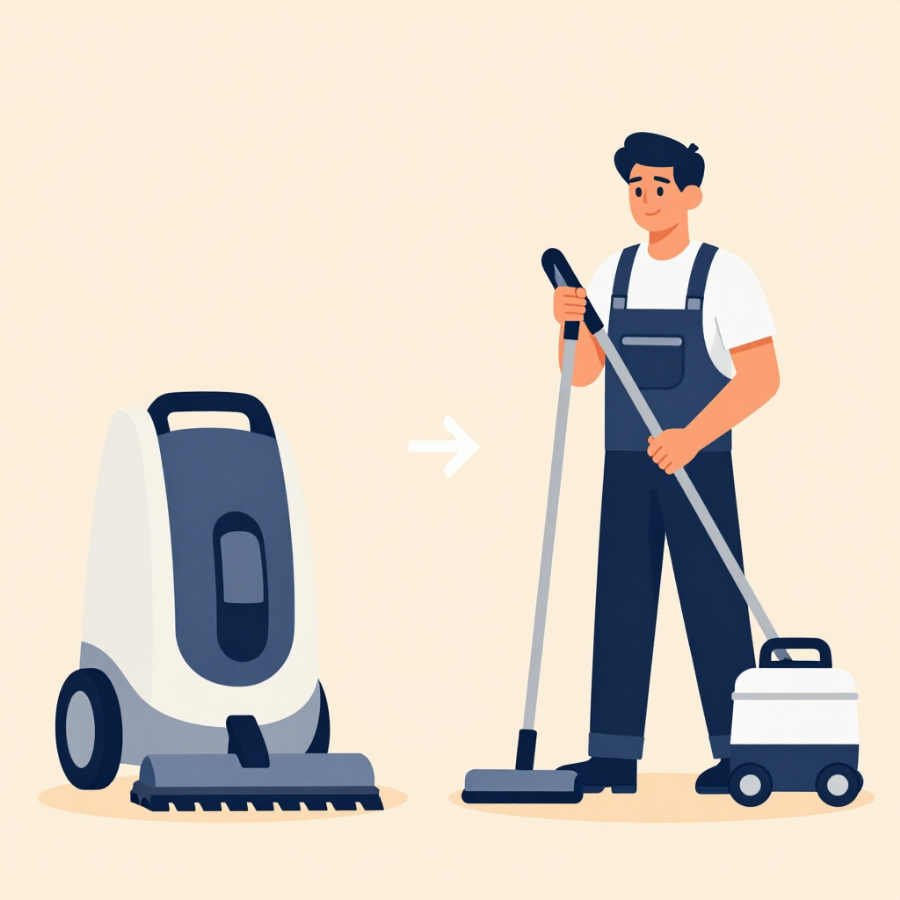
Often referred to as professional steam cleaning, hot water extraction uses warm water and a suitable cleaning solution to loosen embedded soil. A professional machine then extracts the water, dirt and residue from the carpet. Despite the common name, the method does not simply blast carpets with steam.
This is one of the most effective options for heavily used carpets, general grime, food and drink spills, and homes where freshness and hygiene are a priority. Done correctly, it can noticeably improve the appearance of traffic lanes and lift soil that domestic machines struggle to reach.
The trade-off is drying time. Depending on the carpet, ventilation, weather and level of soiling, carpets may need several hours before they are fully dry. Good extraction is crucial, as too much moisture can leave a musty smell or encourage wicking, where a stain appears to return as the carpet dries.
Low-moisture cleaning for quicker drying
Low-moisture methods use far less water than extraction cleaning. They can include encapsulation cleaning, where a specialist solution surrounds dirt particles as it dries, allowing them to be removed by vacuuming afterwards.
This approach is useful when a room needs to be back in use quickly, such as a sitting room before guests arrive or a rented property between appointments. It can give carpets a clean, refreshed finish with reduced drying time.
However, low-moisture cleaning may not be the first choice for deep contamination, strong odours or heavily soiled pile. It is generally better suited to maintenance cleaning than restoring a carpet that has not been professionally cleaned for some time.
Dry compound cleaning for delicate carpets
Dry compound cleaning involves working an absorbent compound through the carpet pile. The compound attracts soil and is then vacuumed away. Because little or no water is used, this method can be suitable for carpets that should not be heavily wetted.
It is worth considering for certain delicate fibres, including some wool carpets, or where rapid use of the room is essential. Yet fibre type matters greatly. Always follow the manufacturer’s care guidance, and test any product in an inconspicuous area before treating a larger section.
Dry compounds are effective for surface soil and regular upkeep, but they are less likely to resolve deep staining or odours originating in the backing or underlay. A professional assessment can prevent the wrong method being used on an expensive carpet.
Targeted spot treatment for fresh spills
Fast action makes a real difference when something is spilled. Blot liquid immediately with a clean white cloth or kitchen roll, working from the outside of the mark towards the centre. This prevents the stain from spreading and allows you to see whether colour is transferring from the carpet.
Avoid rubbing. Scrubbing can push the spill deeper, distort the pile and create a larger, fuzzy-looking patch. It is also wise to avoid using washing-up liquid, bleach, vinegar or supermarket stain removers without checking that they are safe for your specific carpet. A product that works on a synthetic rug can damage wool, fade colour or leave a residue on another fibre.
For difficult marks such as red wine, coffee, ink, grease or pet accidents, professional treatment is often the safer route. Different stains require different solutions, and using the wrong one can fix the stain in place.
Shampooing and Rental Machines: Useful, but Not Always the Answer
Carpet shampooing can freshen a carpet, particularly where light surface soil is the main issue. The concern is residue. If shampoo is not fully removed, the carpet may feel stiff or become dirty again more quickly because soil clings to the remaining product.
Rental and domestic carpet cleaners can be useful for small areas and regular maintenance, but their extraction power is often limited compared with professional equipment. Over-applying water is a common mistake, particularly on stairs, around skirting boards and in heavily stained patches. The carpet may look better initially but take a long time to dry.
Before hiring a machine, consider the age and condition of the carpet, whether it has a wool content, and whether there are persistent odours or old stains. A careful professional clean may offer better value than repeatedly treating the same area with unsuitable products.
Choosing the Right Method for Your Home
The best choice depends on what is happening beneath the surface as well as what you can see. For general dullness and busy family areas, hot water extraction is often the strongest option. For a light refresh with minimal drying time, low-moisture cleaning may be more practical. For delicate carpets, dry compound cleaning or a tailored low-moisture approach can reduce risk.
Pet households need special attention. Surface marks are only part of the issue when urine has reached the backing or underlay. Masking the smell with fragrance rarely solves it. The affected area needs appropriate odour treatment, followed by thorough extraction where suitable, to leave the room genuinely fresh rather than temporarily scented.
Upholstery deserves the same care. Sofas, dining chairs and fabric headboards collect body oils, dust and everyday spills, but the cleaning method must match the fabric. Always ask whether a cleaner will assess both the material and the staining before beginning work.
How to Keep Carpets Fresher Between Deep Cleans
Small habits extend the benefits of professional cleaning. Use entrance mats at external doors, remove outdoor shoes where practical and vacuum before dirt becomes visible. Attend to spills promptly and avoid soaking the carpet with home remedies.
Moving furniture slightly when vacuuming helps prevent hard-edged traffic lines and reveals areas that are often missed. Keep humidity under control where possible, and allow cleaned carpets to dry fully before replacing rugs or heavy furniture.
At Elite Carpet Care in Gainsborough, we match the cleaning method to your carpets, upholstery and lifestyle so your home feels fresher for longer. If you are unsure which approach is right, a no-obligation conversation about the rooms, fibres and problem areas is the best place to start.